
Nearsightedness, or myopia, occurs when the eye grows too long. This causes light to focus in front of the retina instead of directly on it, making distant objects look blurry while close-up vision remains clear. The problem is that the eye doesn’t stop growing, which means the prescription keeps changing and the risks that come with higher myopia keep rising.
Myopia control is a proactive approach to eye care that uses specific treatments to slow down the physical elongation of the eye and manage the progression of nearsightedness. Managing this growth early can help reduce the risks of more serious eye conditions later in life.
Myopia Control vs. Regular Glasses
Regular glasses do one job well. They correct blurry vision so your child can see the board at school or participate in sports. While this is helpful for daily life, it doesn’t address the underlying reason why the vision is changing. Because standard lenses only focus light on the centre of the eye, the eye may continue to lengthen, leading to a stronger prescription at the next annual exam.
Myopia control takes a different approach and is more active in protecting your child’s eye health. Instead of just correcting blur, it actively works to slow how fast myopia worsens by targeting eye length growth itself. Think of it as addressing the source of the change, not just the result.
This is most effective during childhood and adolescence when the eye is still developing. Slowing this growth may result in a lower prescription by adulthood and can help maintain better overall eye health over time. Higher levels of myopia are also linked to a greater risk of serious eye conditions down the road, which is another reason early action counts.
Myopia Control Treatment Options
Myopia control can involve a range of treatments. The right approach depends on your child’s age, lifestyle, and how their eyes are developing, which is something an optometrist can assess directly.
Specialty Contact Lenses & Ortho-K
Orthokeratology , known as Ortho-K, involves wearing specially designed lenses overnight. They gently reshape the cornea while your child sleeps so they can see clearly during the day without any lenses or glasses. At the same time, the design helps slow how the eye grows.
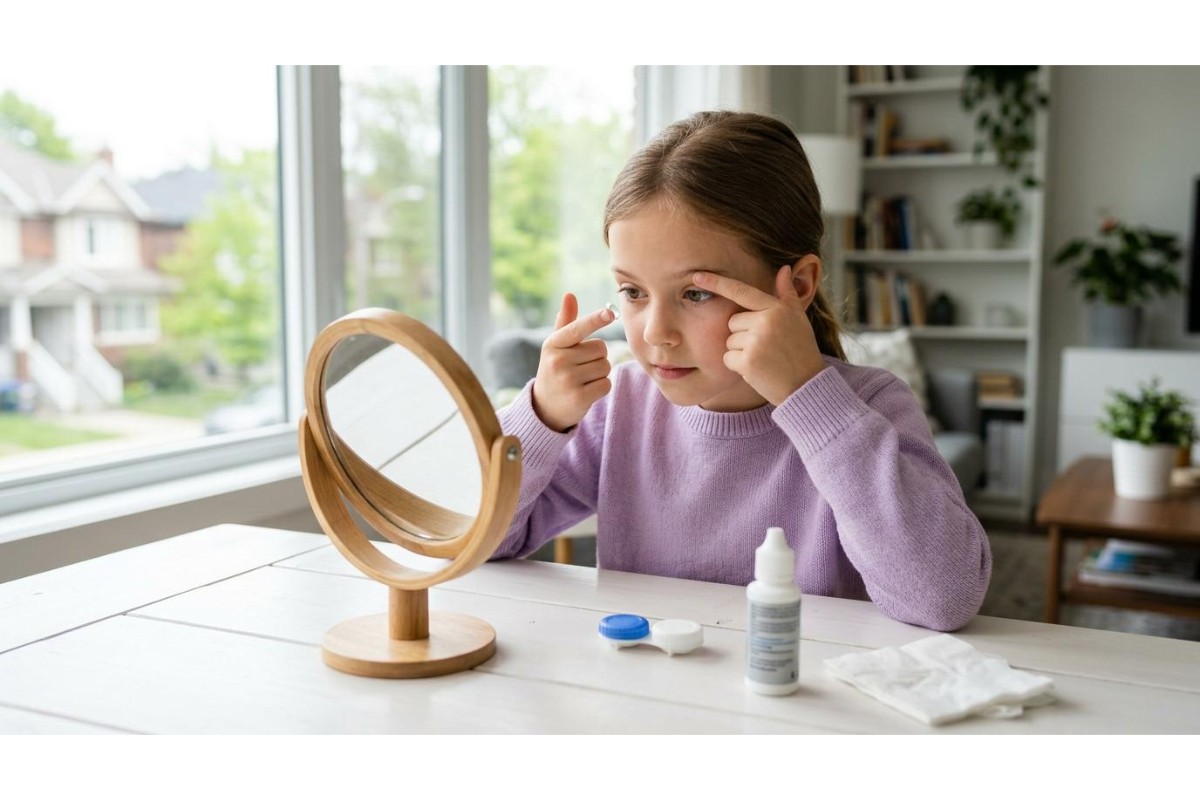
Multifocal contact lenses are another daytime option. These lenses are designed to create a specific type of focus in the outer edges of the vision. This signal tells the eye to slow its growth, which can help stabilize the prescription.
Myopia Control Glasses
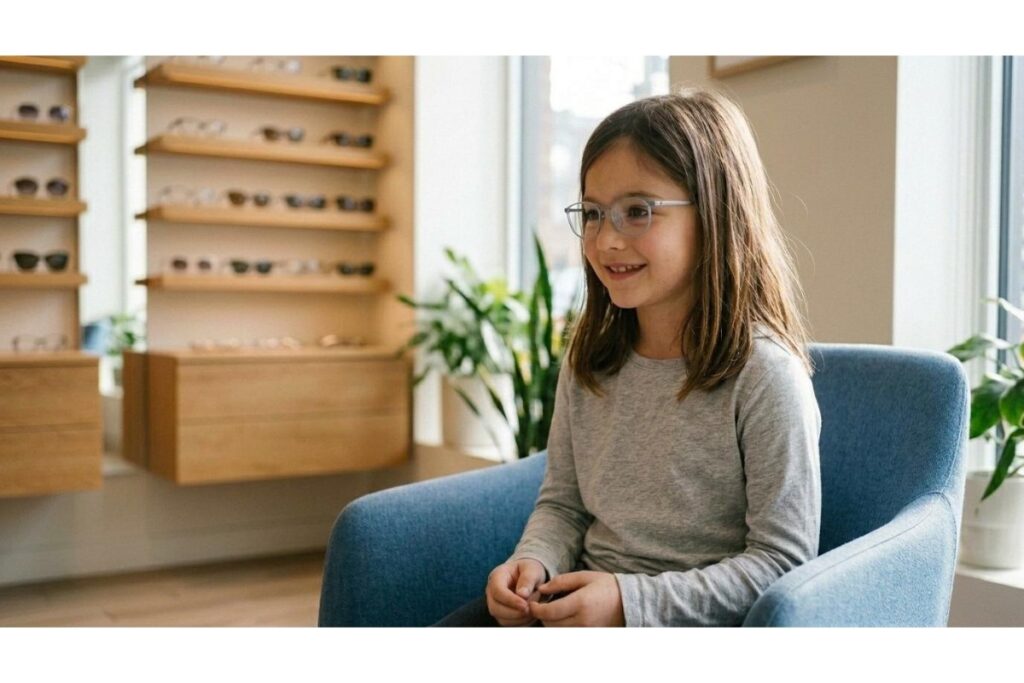
For younger children who aren’t ready for contact lenses, specialty glasses can be a practical fit. These lenses are designed to correct vision while also sending signals to the eye that help reduce growth. They look and feel like standard glasses, making them easy for children to wear throughout the day.
Low-Dose Atropine Eye Drops
Atropine drops have been a staple in vision care for many years. At very low doses, they help reduce the rate of eye growth with minimal side effects. The drops are typically used at night and can be combined with other treatments for added effect.
Who Should Consider Myopia Control
Myopia control is most effective during the years when the eye grows the fastest, generally between ages 6 and 18. Starting treatment earlier gives more time to slow progression and reduce long-term risk.
Some children are more likely to experience faster worsening. If both parents are nearsighted, the chances of quicker progression go up. A comprehensive pediatric eye exam can give a clearer picture of where your child’s vision is headed and whether myopia control makes sense now.
Everyday Habits That Support Myopia Control
Clinical treatments are most effective when supported by healthy daily habits. Small changes to a child’s routine can provide additional support for their eye development.
Prioritize Time Outdoors
Natural light plays a real role in healthy eye development. Getting outside for at least 90 minutes a day is linked to slower myopia progression in children. This doesn’t require organized sports; simple activities like walking, playing at a park, or spending time outside during recess all count.
Screen & Near-Work Habits
Long stretches of near-focus work, whether that’s homework, reading, or screen time, put consistent strain on the eyes. The 20-20-20 rule can help break that pattern. Every 20 minutes, look at something 20 feet away for 20 seconds.
For children, especially, limiting back-to-back screen sessions gives the eyes a chance to relax. Encourage your child to take frequent breaks from screens. Remember, these habits work alongside clinical treatments, not in place of them.
Take the Next Step at View Eye Care
If your child’s prescription keeps changing or you’ve been wondering whether myopia control could help, the team at View Eye Care can assess your child’s eyes and walk you through the options that make sense for them. Our Yorkville practice takes a thorough approach to managing myopia early.
Reach out to book a comprehensive eye exam and get a clear picture of what’s right for your child’s vision.