
You’re standing in a Toronto eyewear store, holding 2 pairs of sunglasses that look identical. The lenses look the same, but the associate mentions something about polarization. You wonder if the filter makes a big difference or if regular sunglasses do the job just fine. At View Eye Care, our team helps you understand the differences between these options and choose the one that best fits your eyewear and vision needs.
The right choice depends on your daily activities. Polarized lenses reduce glare for outdoor activities like driving and water sports, while non-polarized options work better for screen viewing and certain safety situations.
What Makes Polarized & Non-Polarized Sunglasses Different
How Polarized Lenses Work
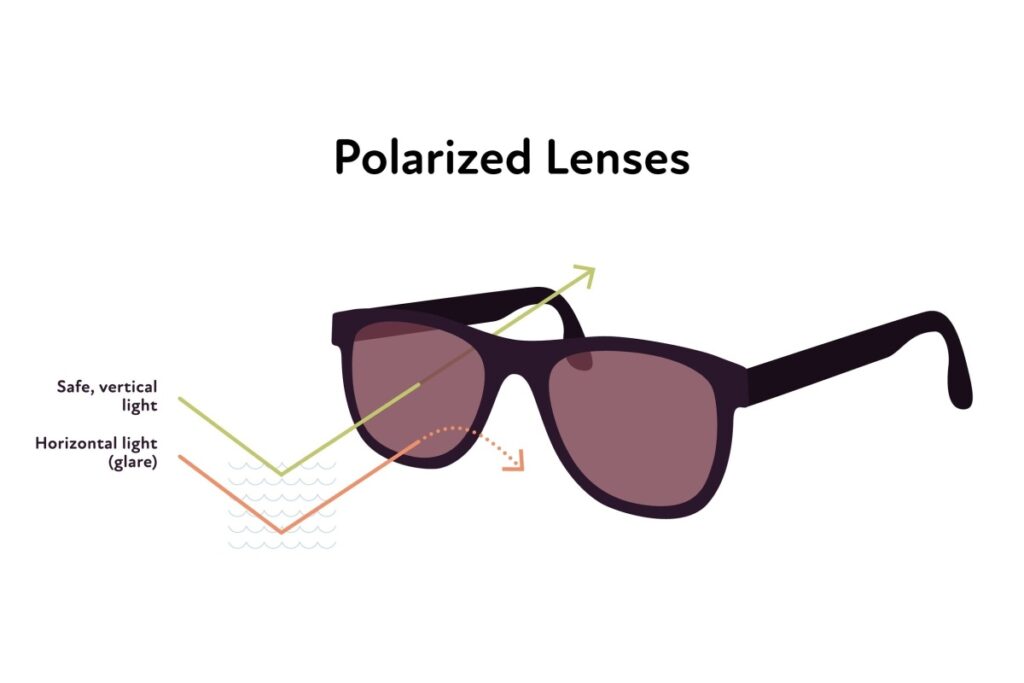
Polarized lenses have a special chemical coating that acts like a vertical filter. The filter blocks horizontal light waves that reflect off surfaces such as water, pavement, windows, windshields, and car hoods.
When light reflects off these surfaces, it creates intense glare that makes you squint and strain your eyes. The polarized filter eliminates scattered light, allowing you to see clearer details and sharper colours. Think about looking at a lake on a sunny day; with polarized lenses, you can actually see into the water instead of just seeing a bright, white reflection.
- Special filter blocks horizontal light rays
- Reduces glare from reflective surfaces
- Enhances colour clarity & contrast
What Non-Polarized Lenses Offer
Non-polarized sunglasses provide UV protection without the special glare-reducing filter. They darken your view evenly across all surfaces, which helps reduce overall brightness but doesn’t target specific types of glare.
These lenses come in more colour options and style variations. You can find them in gradient tints, mirror coatings, and fashion colours, though polarized versions may not be available. Quality UV protection remains important regardless of lens type to prevent long-term eye damage.
- Standard UV protection without a glare filter
- More affordable pricing options
- Wide variety of colours & styles
When Polarized Sunglasses Work Better for You
Outdoor Activities & Sports
If you spend time near water, polarized lenses can make a dramatic difference. Fishermen can see beneath the surface instead of staring at reflected sunlight. Boaters can spot obstacles and navigate more safely.
Driving becomes more comfortable because polarized lenses cut glare from wet roads, other car surfaces, and reflective signs. Your eyes feel less tired after long drives, especially during Toronto’s bright summer days. This reduced eye strain can also help prevent headaches that often result from prolonged squinting.
Eye Comfort & Health Benefits
People with light sensitivity find that polarized lenses provide significant relief. You won’t need to squint as much, reducing tension headaches caused by constant eye strain.
Driving becomes more comfortable because polarized lenses cut glare from wet roads, other car surfaces, and reflective signs. Your eyes feel less tired after long drives, especially during Toronto’s bright summer days.
Snow reflects up to 80% of UV light, creating intense glare. Polarized lenses help you see clearly during winter walks or outdoor activities without glare.

Situations Where Non-Polarized Lenses Might Be Your Choice
Screen & Technology Use
Polarized lenses can make LCD screens appear dark or completely black when you tilt your head. If you need to use your phone, GPS, or tablet while wearing sunglasses, non-polarized lenses are more effective.
Pilots often choose non-polarized lenses because aircraft instruments use LCD displays. The same applies if you operate machinery with digital readouts that require clear visibility. For people who frequently experience digital eye strain from screen use, combining non-polarized sunglasses with proper indoor eye care becomes even more important.
Winter Sports & Safety Considerations
Skiers sometimes prefer non-polarized lenses because they can more easily detect ice patches on slopes. The glare from ice actually serves as a helpful warning signal that gets filtered out by polarization.
For occasional wear or backup pairs, non-polarized sunglasses cost less while still protecting your eyes from harmful UV rays. You get the protection you need without paying for features you might not use regularly.
How to Test & Choose the Right Option
Simple Ways to Check Your Current Sunglasses
Hold your sunglasses in front of a computer monitor or LCD screen. Slowly rotate the lenses—if the screen gets darker or disappears completely at certain angles, your lenses are polarized.
You can also test them outdoors by looking at reflected light on a car hood or water surface. Polarized lenses dramatically reduce bright reflections, while non-polarized lenses only dim them slightly.
What to Consider for Your Lifestyle
Think about where you spend most of your time outdoors. If you’re frequently near water, driving, or playing sports, polarized lenses provide noticeable benefits. If you primarily need sunglasses for casual walks or fashion, non-polarized options might suit you well.
Consider your eye sensitivity too. Some people feel more comfortable in bright conditions with polarized lenses, while others don’t notice much difference.
Finding Quality Eyewear That Fits Your Needs
The right sunglasses combine proper UV protection with lens technology that matches your lifestyle. Whether you choose polarized or non-polarized lenses, look for sunglasses that block 100% of UV rays and fit comfortably.
If you need prescription sunglasses, professional fitting ensures the lenses work correctly with your prescription and the frames sit properly on your face. View Eye Care offers designer eyewear in Toronto with custom lens options for both style and function.
Schedule a consultation with us at View Eye Care to explore your options and get expert advice on choosing lenses that protect your eyes and match your lifestyle.